1st May 2026
Hair loss treatment in India explained by dermatologist. Learn causes, effective remedies, prevention tips, and when to seek medical help.
Introduction
Hair fall is a common problem affecting both men and women. Hair loss treatment depends on identifying the exact cause, such as stress, hormonal imbalance, or nutritional deficiency. Losing 50–100 hairs daily is normal, but excessive hair loss may require proper medical care.
For advanced hair loss, you can also read our detailed guide on hair transplant.
What is Hair Fall?
Hair fall refers to the excessive shedding of hair from the scalp. It becomes a concern when:
- Hair loss is more than normal daily shedding
- Hair starts thinning visibly
- Bald patches or receding hairline appear

Hair Growth Cycle (Simple Explanation)
Hair grows in 3 phases:
- Anagen (growth phase): lasts 2–6 years
- Catagen (transition phase): short phase
- Telogen (resting/shedding phase): hair falls out
Disturbance in this cycle leads to hair fall.
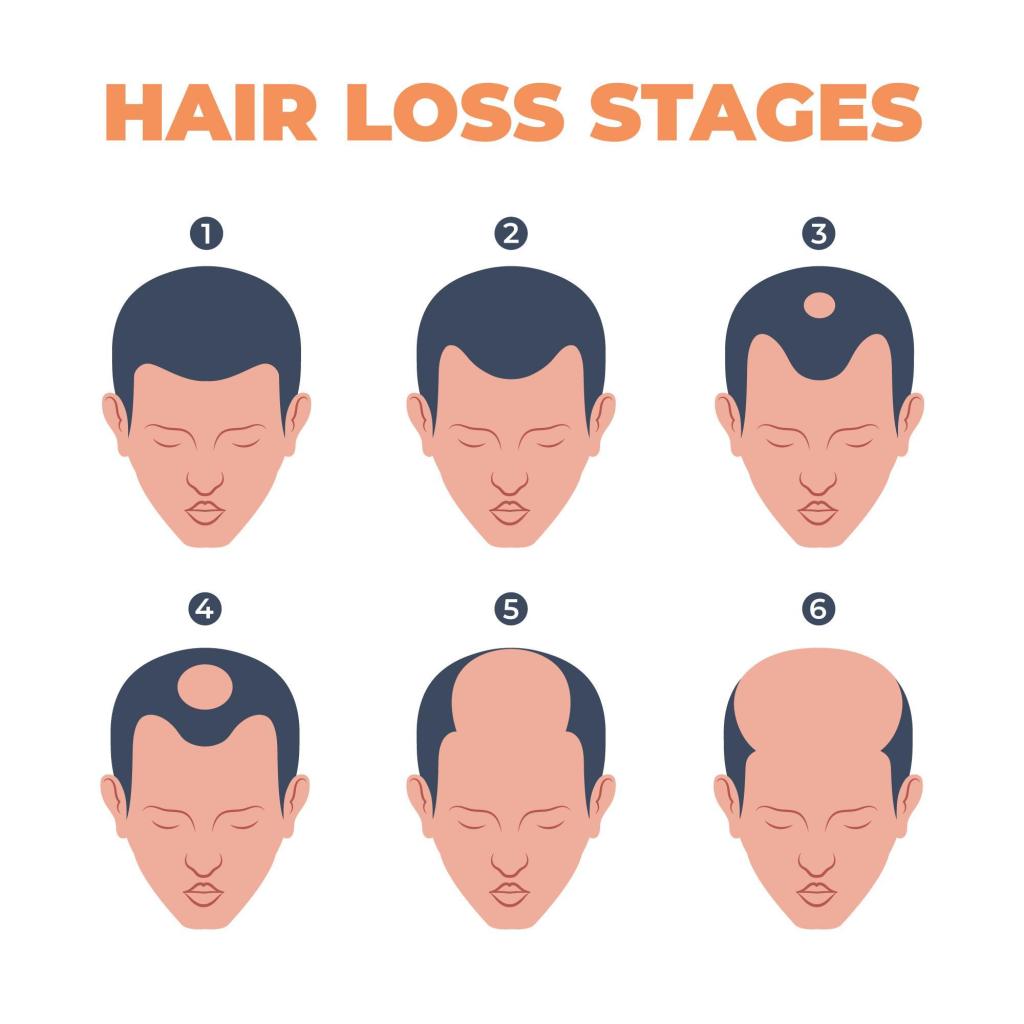
1. Androgenetic Alopecia (Pattern Baldness)
- Most common type
- Affects men and women
- Causes receding hairline or thinning at crown
2. Telogen Effluvium
- Sudden hair fall due to stress, illness, or diet
- Usually temporary and reversible
3. Alopecia Areata
Autoimmune condition
Hair Loss Causes
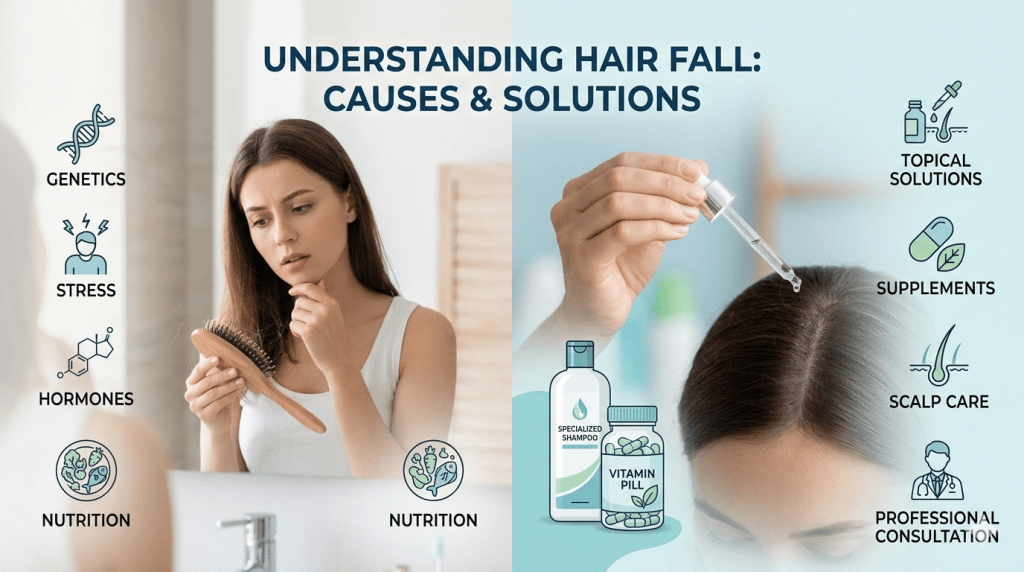
Hair fall can occur due to multiple reasons:
1. Genetics
Family history plays a major role in pattern baldness.
2. Stress
Physical or emotional stress can push hair into the shedding phase.
3. Hormonal Imbalance
- Thyroid disorders
- PCOS in women
- Post-pregnancy changes
4. Nutritional Deficiency
- Low iron
- Vitamin D deficiency
- Poor protein intake
5. Medical Conditions
- Scalp infections
- Chronic illness
- Certain medications
Options of Hair Loss
Hair fall treatment depends on the cause. Common options include:
1. Minoxidil
- Applied on scalp
- Helps in hair regrowth
- Suitable for both men and women
2. Finasteride (for men)
- Reduces hair fall due to hormones
- Should be taken under doctor supervision
3. PRP Therapy (Platelet-Rich Plasma)
- Uses patient’s blood
- Stimulates hair follicles
- Popular non-surgical option
4. Supplements
- Biotin
- Iron
- Multivitamins (if deficiency present)
Home Remedies for Hair Fall
Many people rely on home remedies, but results are limited.
What may help:
- Oil massage (improves blood flow slightly)
- Balanced diet (protein + vitamins)
- Stress reduction
What DOES NOT work:
- Instant hair regrowth oils
- Viral “miracle” remedies
Be careful of unrealistic claims.
Prevention Tips for Hair Loss
Simple lifestyle changes can reduce hair fall:
- Eat a protein-rich diet
- Manage stress (exercise, sleep)
- Avoid excessive heat styling
- Use mild shampoos
- Treat dandruff early
When to See a Doctor
Consult a dermatologist if:
- Sudden heavy hair loss
- Patchy bald spots
- Hair fall with weight loss or illness
- No improvement despite treatment
Frequently Asked Questions
Can hair grow back after hair fall?
Yes, in many cases hair regrowth is possible if the cause is treated early.
Is oiling enough to stop hair fall?
No, oiling alone cannot treat medical causes of hair loss.
How much hair fall is normal?
Losing 50–100 hairs per day is considered normal.
Which treatment is best for hair fall?
It depends on the cause. Minoxidil and medical therapy are commonly used.
Conclusion
Hair fall is a common but manageable condition. Understanding the cause is the key to effective treatment. While home remedies can support hair health, medical treatments are often required for long-term control.
If you are experiencing persistent hair fall, it is best to consult a qualified dermatologist for proper diagnosis and treatment.
Reviewed by Dr. Sachin Gupta (Dermatologist)