Dr. Sachin Gupta, Dermatologist Faridabad
Introduction
Are you reaching for the highest SPF sunscreen on the shelf, hoping it’s your best shield against the fierce sun? Time to pause and reconsider. While high SPF sunscreens boast of unparalleled protection against sunburn, their effectiveness and safety might not be as comprehensive as you imagine. In this detailed review by Dr. Sachin Gupta, a renowned dermatologist in Faridabad, we delve into the complexities of high SPF sunscreens, examining their implications for skin health, including issues like premature aging, pigmentation, and skin darkening. This guide is essential for anyone aiming to make informed and safe choices in sun protection.
Understanding SPF
SPF, or Sun Protection Factor, primarily measures a sunscreen’s ability to defend against UVB rays, which are mainly responsible for sunburn and play a significant role in potentially developing skin cancer. However, it’s crucial to note that SPF does not gauge protection against UVA rays, which penetrate the skin more deeply and are significantly responsible for premature aging and other forms of long-term skin damage.
The SPF Misconception
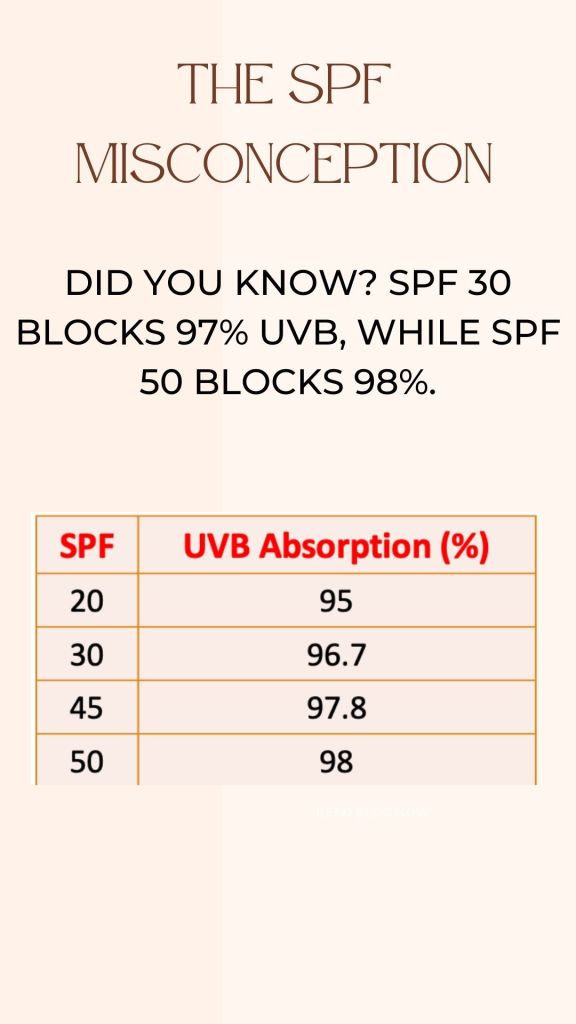
Despite common beliefs, the leap from SPF 30 to SPF 50 offers a minimal increase in UVB protection—from 97% to 98%. This minor improvement highlights a critical misunderstanding: higher SPF values do not proportionately increase sun protection. This section aims to debunk myths and bring clarity to the actual benefits and limitations of high SPF sunscreens, ensuring you are better equipped to choose products that truly safeguard your skin without causing undue harm.
Chemical Risks
High SPF formulations typically contain a greater concentration of chemical sun filters. While effective at blocking UV rays, these chemicals can penetrate the skin, potentially leading to allergic reactions, hormonal disruptions, or other systemic effects. Understanding these risks is essential for anyone especially concerned about the long-term health implications of their skincare choices.