1st December 2023
Introduction: Acne, a prevalent skin issue for young adults aged 12 to 24, often leaves a lasting impact in the form of scars. These scars can cause discomfort and affect self-esteem. This guide delves into effective treatments and preventive measures, offering hope and solutions for those affected.
Choosing a Qualified Dermatologist: Selecting the right dermatologist is the first critical step in treating acne scars effectively. Look for a board-certified professional with advanced qualifications like an MD or DNB in dermatology. These credentials are indicative of rigorous training and expertise in the field. Consider patient reviews and testimonials as they provide insights into the dermatologist’s success rates and patient experiences. A good dermatologist stays updated with the latest technologies and offers personalized care, understanding the unique challenges posed by different skin types and scar conditions.
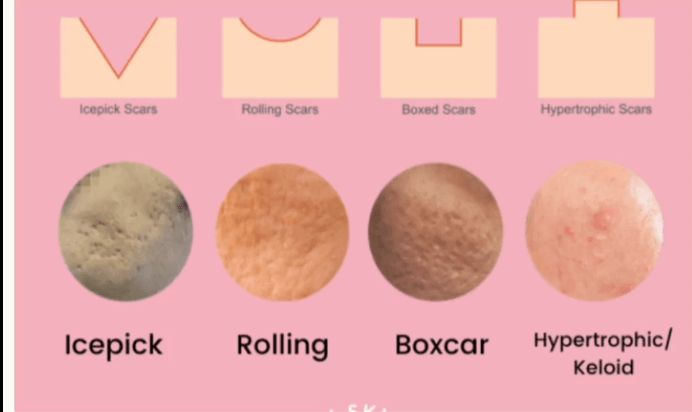
Tailoring Treatment to Scar Types: Different types of acne scars require specific approaches:
- Ice Pick Scars: These deep, narrow scars benefit from treatments like laser therapy and microneedling, which promote healing deep within the skin.
- Rolling Scars: Characterized by broad depressions with sloping edges, treatments like subcision and dermal fillers can effectively smooth out these scars.
- Boxcar Scars: These scars have sharp edges and respond well to a combination of treatments, including subcision, fillers, laser treatments, and microneedling.
- Hypertrophic or Keloid Scars: Raised and thick, these scars are often treated with steroid injections and laser therapy to reduce their appearance.
Dermatologist-Recommended Treatments:
- Laser Therapy: Laser resurfacing is a leading treatment, removing the top skin layer to stimulate new skin growth. Fractional laser therapy targets smaller areas for quicker recovery.
- Microneedling: This process involves creating micro-injuries to boost collagen production, often enhanced with PRP therapy.
- Chemical Peels: These peels use acids to remove the top skin layer, diminishing scars and improving skin texture.
- Dermabrasion: An intensive method that sands down the skin surface, effective for certain scar types.
- Topical Treatments: Retinoids and medical-grade creams are crucial for mild scars and prevention.
Preventing Acne Scars:
- Early Acne Management: Timely treatment of acne is key to preventing scars.
- Avoid Picking and Popping: This can lead to scarring and should be avoided.
- Sun Protection: Use SPF 30 or higher to protect scars from UV rays.
- Consistent Skincare Routine: Regular care with suitable products helps prevent acne and scarring.
Conclusion: With a range of treatments available, acne scars can be significantly minimized. A tailored treatment plan under the guidance of a dermatologist can help achieve smoother, healthier skin.
Contact Us: For personalized consultation and treatment options, feel free to reach out to our dermatology department at Amrita Hospital, Faridabad. Contact us at +91 95825 80365 or 0129-2851234.